NHPCO is pleased to announce a new resource for hospice programs and professionals being made free-of-charge for NHPCO members.
Written by members of the Ethics Advisory Council, the Guide to Organizational Ethics in Hospice Care presents four key concepts of the hospice philosophy of care. Seven organizational values are explained and applied to seven core operational domains, with examples of how the values can be integrated into policies and practices.
The intent is for organizations and individuals to use the framework and values in this document to inform development and implementation of organizational policies, procedures, and practices consistent with ethical standards, resonant with the hospice philosophy of care.
NHPCO Members may download the Guide to Organizational Ethics in Hospice Care from the NHPCO website (log-in is required).
Thursday, January 7, 2016
Monday, December 14, 2015
Dealing with grief & loss during the holiday
Many people are greatly affected by ongoing media coverage of national and international tragedies that have played out in recent weeks, just ahead of the holidays. And for those individuals who are grieving the death of a loved one, the holiday season can also be a particularly painful time.
Hospice professionals, who are experts in helping people deal with feelings of loss and grief, recognize how difficult the holidays can be for some. NHPCO offers helpful suggestions as the holiday season moves forward.
1. Be understanding and supportive if someone wants to do things differently this holiday season. Some people find strength in long established traditions while others may choose to avoid customs of the past and do something new. It’s okay to do things differently.
2. Offer to help with decorating or holiday cooking. Both tasks can be overwhelming for someone who is grieving or overwhelmed by events going on in the world around us. Lending a hand can be a great way to let someone know you’re thinking about them and their wellbeing.
3. Invite someone to join you or your family during the holidays. If someone you know seems down or depressed, consider inviting them to join you for a holiday concert, religious service or a holiday meal where they are a guest. You might even offer to accompany them on a holiday shopping trip where a friend and extra set of hands can be helpful.
4. Ask the person if he or she is interested in volunteering with you during the holidays. Doing something for someone else, such as helping at a soup kitchen, staffing a coat drive, or working with children, may lift your spirits and help everyone feel better about the holidays.
5. Never tell someone that he or she should get ‘over it.’ It can be important to acknowledge that a friend or loved one is struggling. Don’t discount their emotions, but give the person hope that, eventually, he or she will enjoy the holidays again.
6. Be willing to listen. Don’t avoid someone because you don’t know what to say. Active listening from friends and family is an important step to helping someone coping with grief or overwhelming feelings of loss. Letting them share their feelings can help healing.
7. Don’t be afraid to remember someone who has died. When someone is grieving, it is okay to let them know that you are thinking of the loved one who died. Cards, phone calls and visits are great ways to stay in touch.
8. Follow up after the holidays to check in. Given the activity of the season, some people may make it through the holidays without any issues but they might find the post-holiday period to be more difficult. So circling back after the holidays to see how he or she is doing can help.
Hospice professionals, who are experts in helping people deal with feelings of loss and grief, recognize how difficult the holidays can be for some. NHPCO offers helpful suggestions as the holiday season moves forward.
1. Be understanding and supportive if someone wants to do things differently this holiday season. Some people find strength in long established traditions while others may choose to avoid customs of the past and do something new. It’s okay to do things differently.
2. Offer to help with decorating or holiday cooking. Both tasks can be overwhelming for someone who is grieving or overwhelmed by events going on in the world around us. Lending a hand can be a great way to let someone know you’re thinking about them and their wellbeing.
3. Invite someone to join you or your family during the holidays. If someone you know seems down or depressed, consider inviting them to join you for a holiday concert, religious service or a holiday meal where they are a guest. You might even offer to accompany them on a holiday shopping trip where a friend and extra set of hands can be helpful.
4. Ask the person if he or she is interested in volunteering with you during the holidays. Doing something for someone else, such as helping at a soup kitchen, staffing a coat drive, or working with children, may lift your spirits and help everyone feel better about the holidays.
5. Never tell someone that he or she should get ‘over it.’ It can be important to acknowledge that a friend or loved one is struggling. Don’t discount their emotions, but give the person hope that, eventually, he or she will enjoy the holidays again.
6. Be willing to listen. Don’t avoid someone because you don’t know what to say. Active listening from friends and family is an important step to helping someone coping with grief or overwhelming feelings of loss. Letting them share their feelings can help healing.
7. Don’t be afraid to remember someone who has died. When someone is grieving, it is okay to let them know that you are thinking of the loved one who died. Cards, phone calls and visits are great ways to stay in touch.
8. Follow up after the holidays to check in. Given the activity of the season, some people may make it through the holidays without any issues but they might find the post-holiday period to be more difficult. So circling back after the holidays to see how he or she is doing can help.
Many hospice and palliative care programs throughout the country host seasonal events for the community that bring feelings of peace and goodwill such as the Festival of Trees, an annual event from Hospice & Community Care in Lancaster, Pennsylvania.
Monday, December 7, 2015
Carrying Hospice Messages to New Audiences
In recent weeks, millions of people have had the opportunity to learn more about hospice and palliative care through outreach and efforts of the National Hospice and Palliative Care Organization and National Hospice Foundation.
American Airlines - Travelers in business and first-class on American Airlines will see a short film that may challenge everything they think they know about hospice care. The new video portrays the meaningful moments that can still happen, despite a life-limiting serious or terminal illness and shatters the myth that choosing hospice is “giving up.” The video shows real hospice patients from across the U.S. who kept on living fully and cherishing special moments spent with family and friends.
The film will be broadcast to approximately a quarter-million travelers this fall, on more than 5,800 American Airlines video-equipped flights. It will also be shared via the National Hospice Foundation and social media sources to help people understand the many benefits of hospice and palliative care.
Costco Members - NHPCO worked with the editor of Costco’s member publication, Costco Connection, sharing information about hospice care in the November issue’s Health Calendar column. November is National Hospice and Palliative Care Month and the Costco Connection health tip provided key messages about hospice care.
The online version of the November Costco Connection includes a link to an educational video “What is Hospice?” It addresses common questions many people have, including: “When is it time for hospice?” and “How can hospice help a patient and family?”
To learn more about hospice and palliative care or to find a provider in your area, visit the Moments of Life website.
American Airlines - Travelers in business and first-class on American Airlines will see a short film that may challenge everything they think they know about hospice care. The new video portrays the meaningful moments that can still happen, despite a life-limiting serious or terminal illness and shatters the myth that choosing hospice is “giving up.” The video shows real hospice patients from across the U.S. who kept on living fully and cherishing special moments spent with family and friends.
The film will be broadcast to approximately a quarter-million travelers this fall, on more than 5,800 American Airlines video-equipped flights. It will also be shared via the National Hospice Foundation and social media sources to help people understand the many benefits of hospice and palliative care.
Costco Members - NHPCO worked with the editor of Costco’s member publication, Costco Connection, sharing information about hospice care in the November issue’s Health Calendar column. November is National Hospice and Palliative Care Month and the Costco Connection health tip provided key messages about hospice care.
The online version of the November Costco Connection includes a link to an educational video “What is Hospice?” It addresses common questions many people have, including: “When is it time for hospice?” and “How can hospice help a patient and family?”
To learn more about hospice and palliative care or to find a provider in your area, visit the Moments of Life website.
Monday, November 23, 2015
Understanding Palliative Care
"Deadra's Story" a new video about the ways palliative care changed one woman’s life has been released as part of NHPCO's Moments of Life: Made Possible by Hospice campaign.
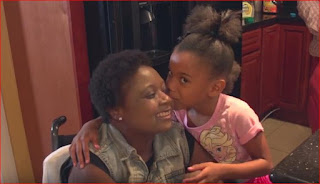
In May of 2014, Deadra Gladden was in the hospital, feeling hopeless, and in excruciating pain due to lupus, a disease she has been battling for over half her young life. Deadra’s doctors told her family it was time to call hospice. But after a consult with a nurse from Samaritan Healthcare and Hospice, a palliative care team was brought in instead. In the new video, viewers get a glimpse at how much Deadra’s life has improved because of palliative care.
Palliative care, sometimes referred to as “comfort care,” is a specialized approach to the treatment of patients with a serious or life-threatening illness. The goal of palliative care is to provide relief from the symptoms, pain and stress of serious illness. It is also designed to improve the quality of life of both the patient and the patient’s family. Patients can continue to receive aggressive and curative kinds of treatment like chemotherapy, radiation, dialysis and surgery while receiving palliative care.
Learn more about palliative care on the Moments of Life website.
In May of 2014, Deadra Gladden was in the hospital, feeling hopeless, and in excruciating pain due to lupus, a disease she has been battling for over half her young life. Deadra’s doctors told her family it was time to call hospice. But after a consult with a nurse from Samaritan Healthcare and Hospice, a palliative care team was brought in instead. In the new video, viewers get a glimpse at how much Deadra’s life has improved because of palliative care.
Palliative care, sometimes referred to as “comfort care,” is a specialized approach to the treatment of patients with a serious or life-threatening illness. The goal of palliative care is to provide relief from the symptoms, pain and stress of serious illness. It is also designed to improve the quality of life of both the patient and the patient’s family. Patients can continue to receive aggressive and curative kinds of treatment like chemotherapy, radiation, dialysis and surgery while receiving palliative care.
Learn more about palliative care on the Moments of Life website.
Monday, November 16, 2015
DC Media Focuses on Care of Dying Veterans
Across the nation, attention turned to U.S. military Veterans on November 11, a day of annual remembrance and appreciation for those who have served our country. In the Washington, DC area, two prominent media outlets featured stories about the We Honor Veterans initiative and the work hospices are doing to care for Veterans.
Hospices are dedicated to making sure that Veterans under their care receive the acknowledgment and support they need at life's end.
On station WJLA's morning's broadcast of "Good Morning Washington" – the ABC affiliate in DC – news journalist Autria Godfrey interviewed former Lieutenant Colonel Dave Benhoff, a former Marine who has continued his service to others as the Veterans Coordinator at Virginia's Heartland Hospice.
Benhoff was accompanied by his therapy dog, Nikita, and he spoke about the ways that he and Nikita support Veterans who are receiving care from Heartland Hospice. (A video, “Nikita’s Mission,” is available on the Moments of Life: Made Possible by Hospice website.)
That same day, on WUSA Channel 9's "Great Day Washington" broadcast, Benhoff was joined by Dr. Scott Shreve, National Director for Hospice and Palliative Care for the Department of Veterans Affairs.
Shreve and Benhoff spoke about some of the unique needs that Veterans have at the end of life and the ways that the We Honor Veterans initiative, an innovative project developed five years ago by the Department of Veterans Affairs and the National Hospice and Palliative Care Organization has improved care for dying Veterans.
Currently, one out of four dying Americans has served in the military. Most served during World War II, the Korean War or the Vietnam War. For many combat Veterans, difficult situations faced during their military service can come back and be difficult to cope with - both for the patient and family caregivers. Hospices are dedicated to making sure that Veterans under their care receive the acknowledgment and support they need at life's end.
See NHPCO’s press release honoring U.S. Veterans.
Hospices are dedicated to making sure that Veterans under their care receive the acknowledgment and support they need at life's end.
On station WJLA's morning's broadcast of "Good Morning Washington" – the ABC affiliate in DC – news journalist Autria Godfrey interviewed former Lieutenant Colonel Dave Benhoff, a former Marine who has continued his service to others as the Veterans Coordinator at Virginia's Heartland Hospice.
Benhoff was accompanied by his therapy dog, Nikita, and he spoke about the ways that he and Nikita support Veterans who are receiving care from Heartland Hospice. (A video, “Nikita’s Mission,” is available on the Moments of Life: Made Possible by Hospice website.)
That same day, on WUSA Channel 9's "Great Day Washington" broadcast, Benhoff was joined by Dr. Scott Shreve, National Director for Hospice and Palliative Care for the Department of Veterans Affairs.
Shreve and Benhoff spoke about some of the unique needs that Veterans have at the end of life and the ways that the We Honor Veterans initiative, an innovative project developed five years ago by the Department of Veterans Affairs and the National Hospice and Palliative Care Organization has improved care for dying Veterans.
Currently, one out of four dying Americans has served in the military. Most served during World War II, the Korean War or the Vietnam War. For many combat Veterans, difficult situations faced during their military service can come back and be difficult to cope with - both for the patient and family caregivers. Hospices are dedicated to making sure that Veterans under their care receive the acknowledgment and support they need at life's end.
See NHPCO’s press release honoring U.S. Veterans.
Thursday, November 5, 2015
November Hospice & Palliative Care Month Proclamation
In recognition of National Hospice and Palliative Care Month, NHPCO has issued the following proclamation calling for increased awareness and acknowledgement of the many accomplishments of hospice and palliative care.
PROCLAMATION
WHEREAS, hospice and palliative care professionals are dedicated to helping diverse communities access quality end-of-life care and are committed to removing barriers to accessing care;
WHEREAS, hospice and palliative care bring patients and family caregivers the highest quality care delivered by an interdisciplinary team of skilled professionals that includes physicians, nurses, social workers, therapists, counselors, health aides, spiritual care providers and others who make the wishes of each patient and family a priority;
WHEREAS, through pain management and symptom control, caregiver training and assistance, and emotional and spiritual support, allowing patients to live fully and make more meaningful moments until the end, surrounded and supported by the faces of loved ones, friends, and committed caregivers;
WHEREAS, Each year, hospice saves Medicare more than $2 billion by providing solutions for physicians, care to patients and comfort to families anywhere, at any time.
WHEREAS, every year more than 1.6 to 1.7 million Americans living with life-limiting illness, and their families, received care from the nation’s hospice programs in communities throughout the United States;
WHEREAS, more than 430,000 trained volunteers contribute 19 million hours of service to hospice programs annually in the U.S.;
WHEREAS, hospice and palliative care providers encourage all people to learn more about options of care and to share their wishes with family, loved ones, and their healthcare professionals;
NOW, THEREFORE, be it resolved, by virtue of the authority vested in the Board of Directors of the National Hospice and Palliative Care Organization, we do hereby proclaim November 2015 as National Hospice and Palliative Care Month and encourage citizens to increase their understanding and awareness of care at the end of life and to observe this month with appropriate activities and programs.
Learn more about hospice and see real stories of patients and families showing all that hospice can do to make more meaningful moments possible at www.MomentsofLife.org.
Friday, October 23, 2015
We Honor Veterans briefing held on Capitol Hill
The Hospice Action Network hosted a Congressional briefing on the We Honor Veterans program on Thursday, October 22, 2015 in the Senate Visitors Center at the U.S. Capitol.
One in four dying Americans is a Veteran. Recognizing the unique end-of-life needs Veterans face, the National Hospice and Palliative Care Organization partnered with the U.S. Department of Veterans Affairs to create the We Honor Veterans campaign, a public-private partnership that supports hospice organizations and workers in caring for Veterans in their final days.
More than 2,700 hospices across the country participate in the initiative, which promotes Veteran-centric educational activities, increases hospices’ ability to serve Veterans, supports the development of strategic partnerships and increases Veterans’ access to hospice and palliative care.
“We are proud of the tremendous growth and success of We Honor Veterans because it reflects the commitment our hospice and other partners have to providing quality end-of-life care to our nation’s Veterans,” said J. Donald Schumacher, NHPCO’s President & CEO. “It is an honor to work closely with the VA and our partners to ensure that the men and women who have given so selflessly receive the support and compassionate care they deserve.”
The briefing featured Thomas Edes from the U.S. Department of Veterans Affairs, David Benhoff, an Operation Iraqi/Enduring Freedom Veteran who serves Veterans through the We Honor Veterans initiative, and Jonathan Keyserling, senior vice president for health policy at NHPCO.
More information about the We Honor Veterans program is available online; additional information about the Congressional briefing is available on the Hospice Action Network website.
One in four dying Americans is a Veteran. Recognizing the unique end-of-life needs Veterans face, the National Hospice and Palliative Care Organization partnered with the U.S. Department of Veterans Affairs to create the We Honor Veterans campaign, a public-private partnership that supports hospice organizations and workers in caring for Veterans in their final days.
More than 2,700 hospices across the country participate in the initiative, which promotes Veteran-centric educational activities, increases hospices’ ability to serve Veterans, supports the development of strategic partnerships and increases Veterans’ access to hospice and palliative care.
“We are proud of the tremendous growth and success of We Honor Veterans because it reflects the commitment our hospice and other partners have to providing quality end-of-life care to our nation’s Veterans,” said J. Donald Schumacher, NHPCO’s President & CEO. “It is an honor to work closely with the VA and our partners to ensure that the men and women who have given so selflessly receive the support and compassionate care they deserve.”
The briefing featured Thomas Edes from the U.S. Department of Veterans Affairs, David Benhoff, an Operation Iraqi/Enduring Freedom Veteran who serves Veterans through the We Honor Veterans initiative, and Jonathan Keyserling, senior vice president for health policy at NHPCO.
More information about the We Honor Veterans program is available online; additional information about the Congressional briefing is available on the Hospice Action Network website.
Subscribe to:
Posts (Atom)